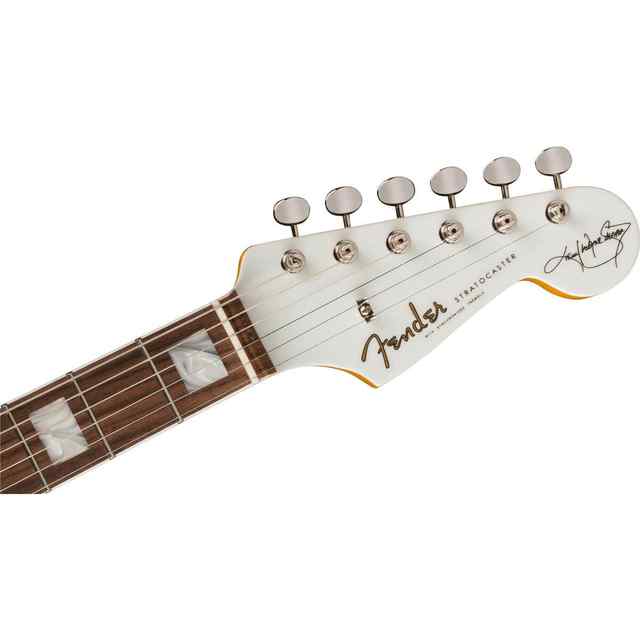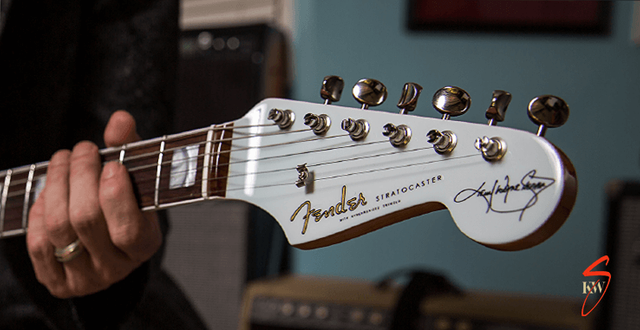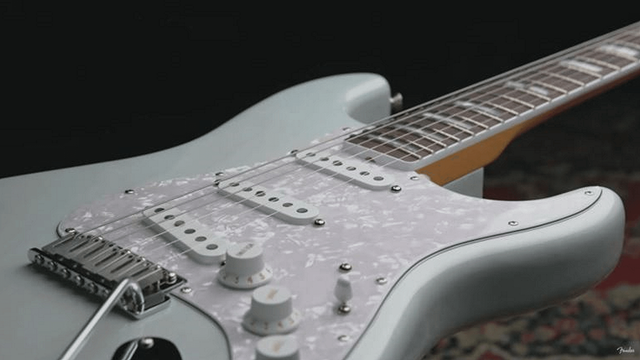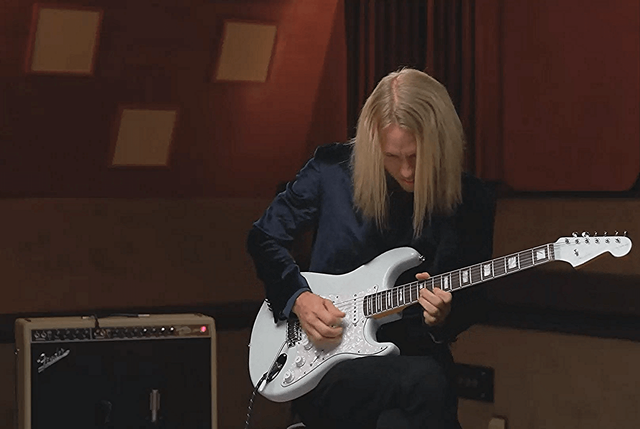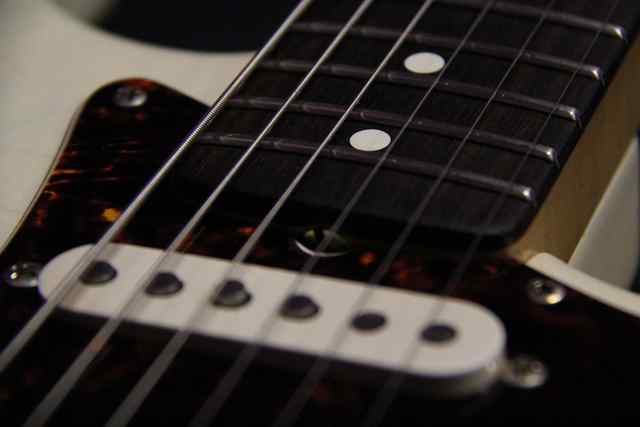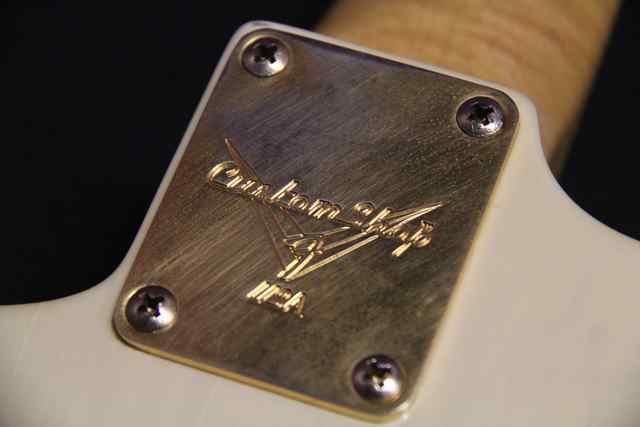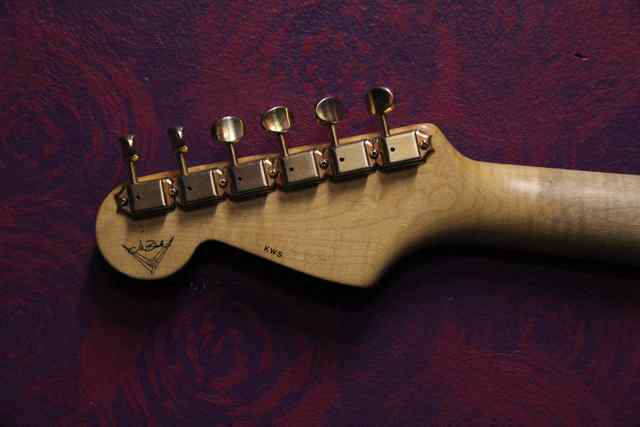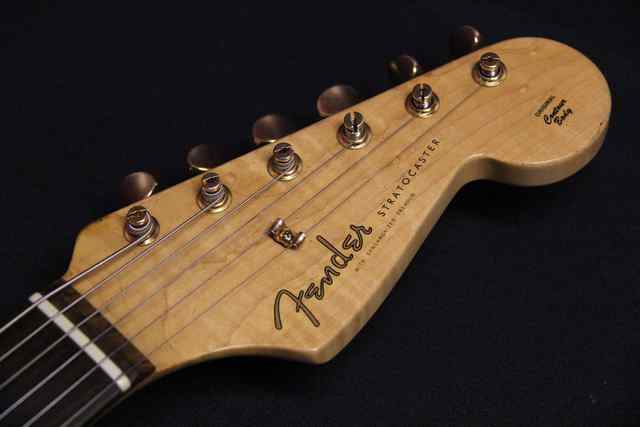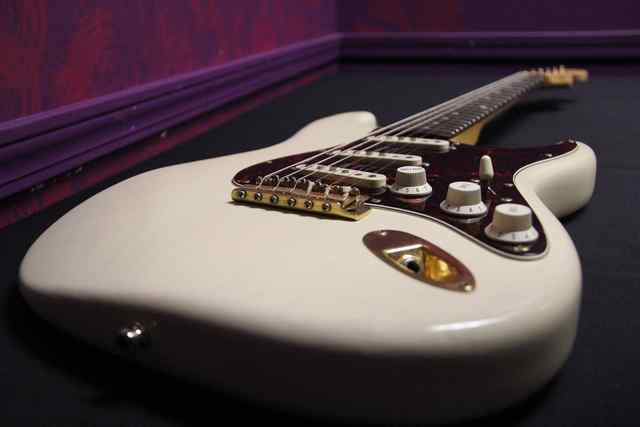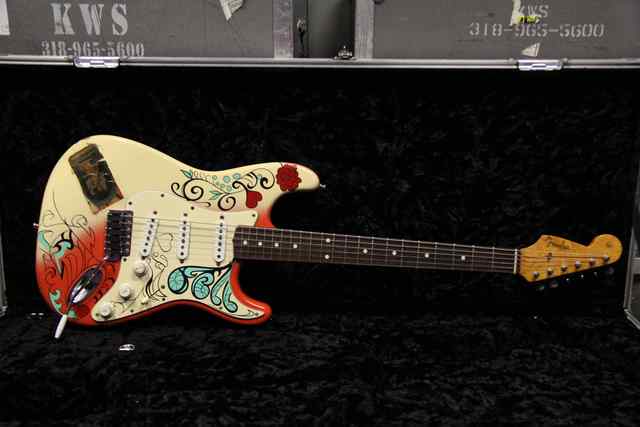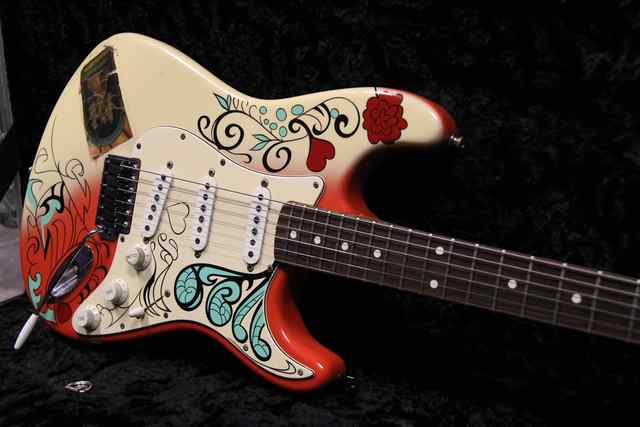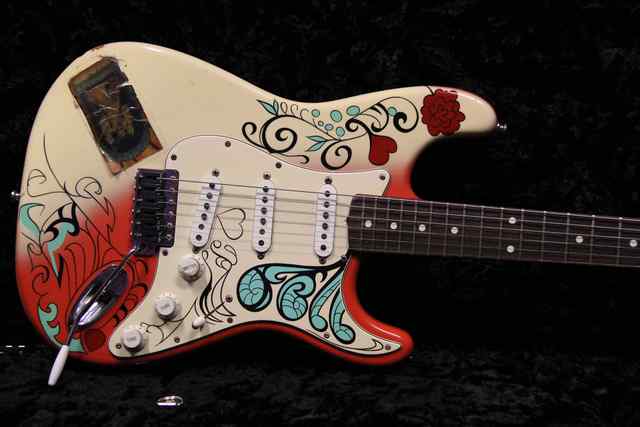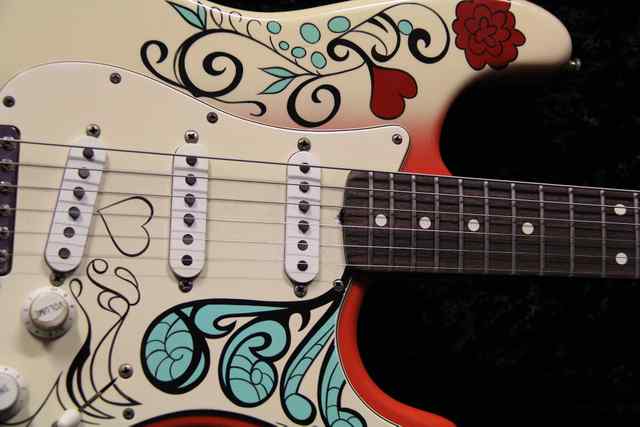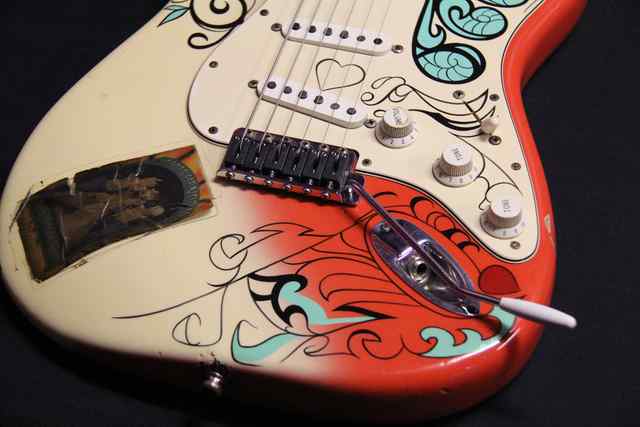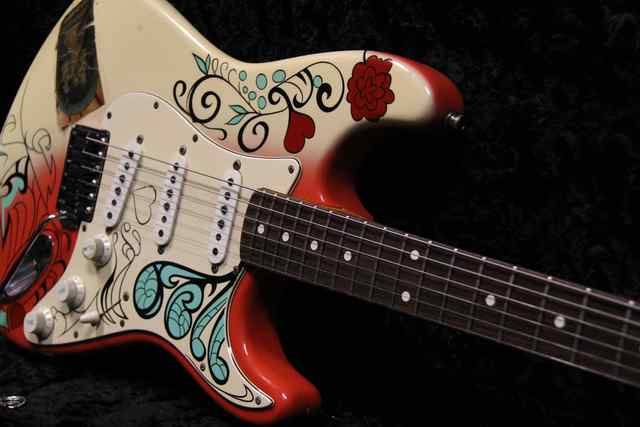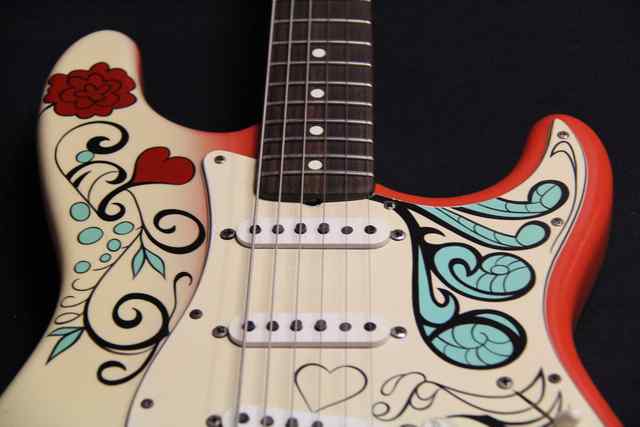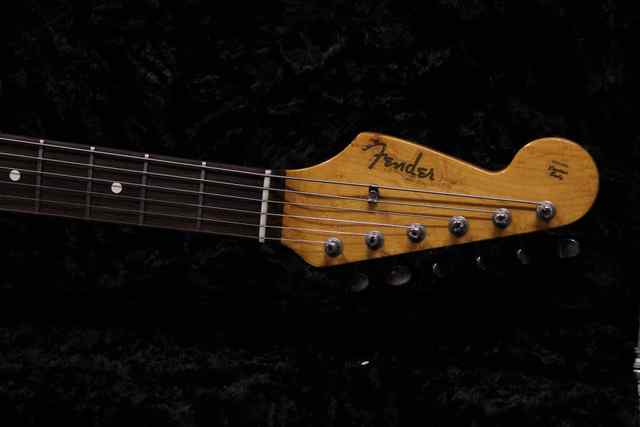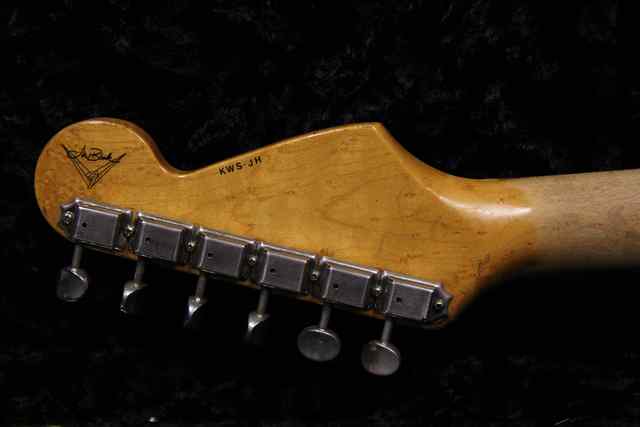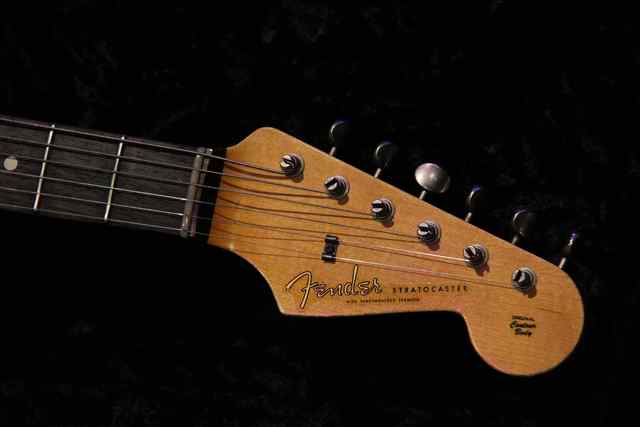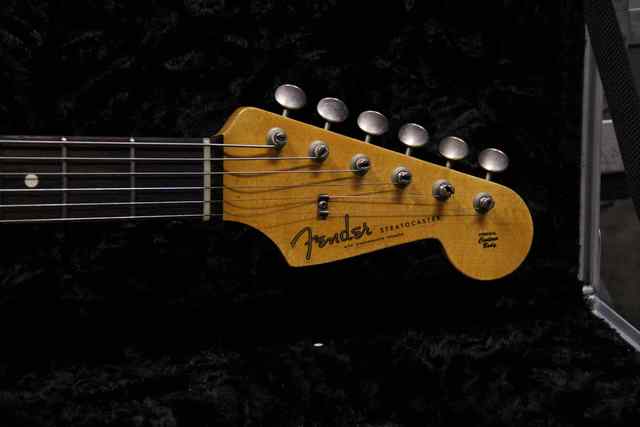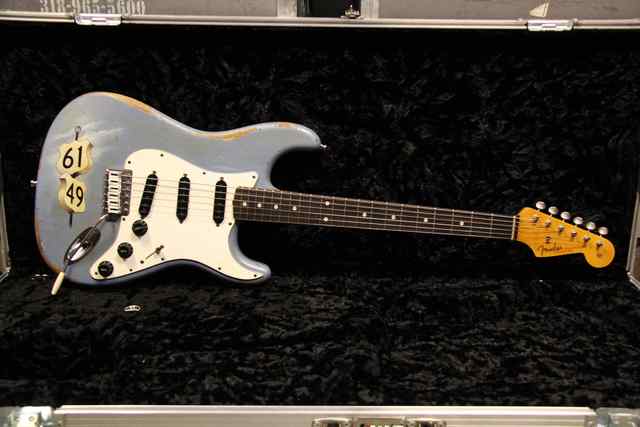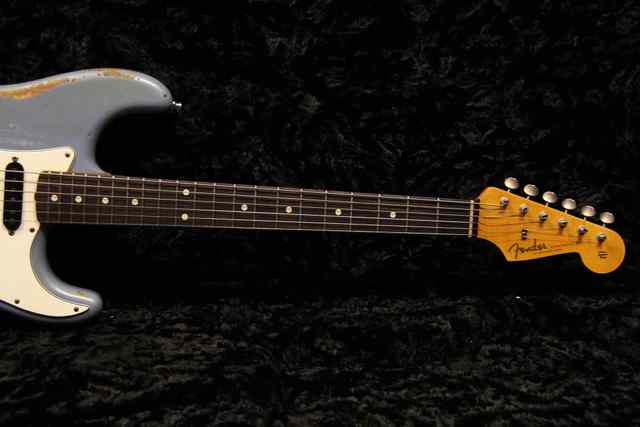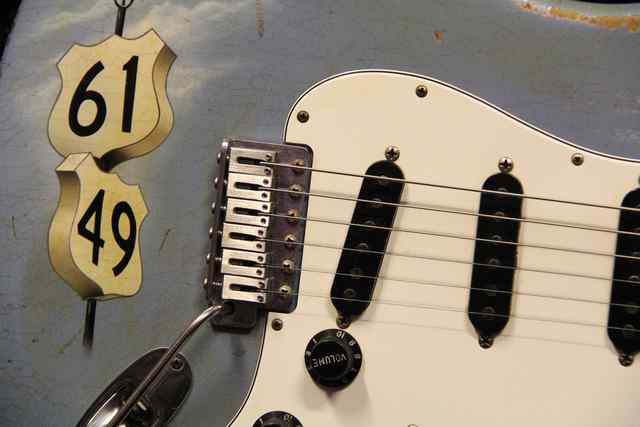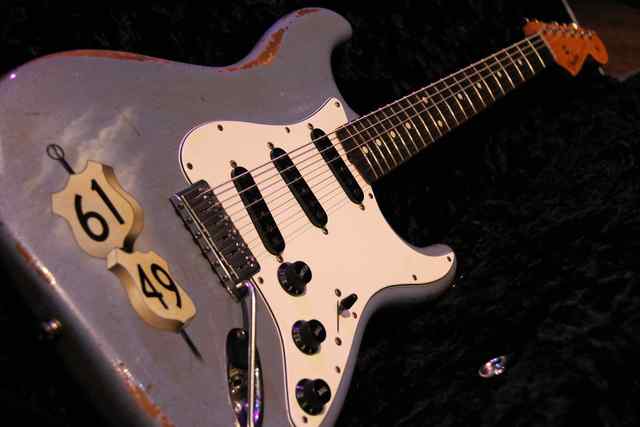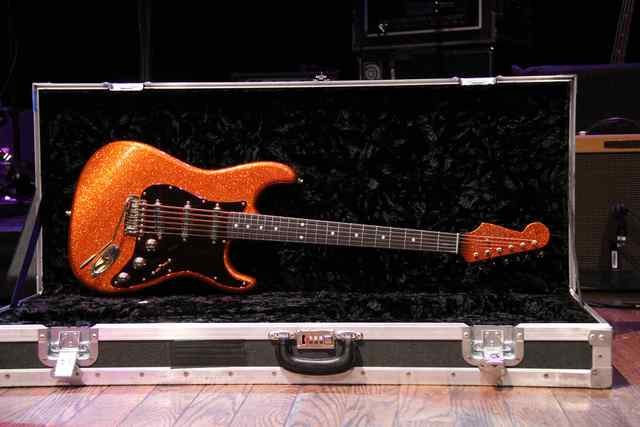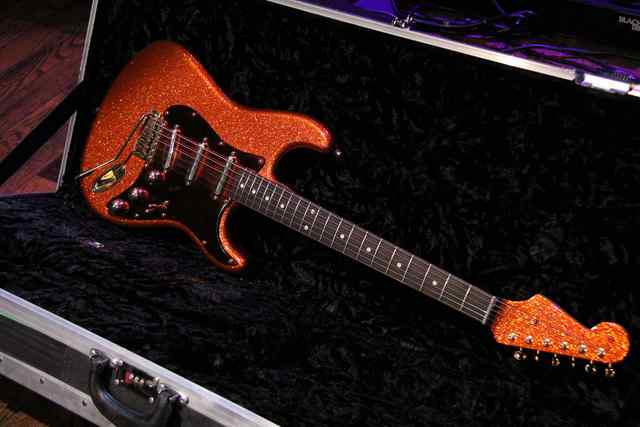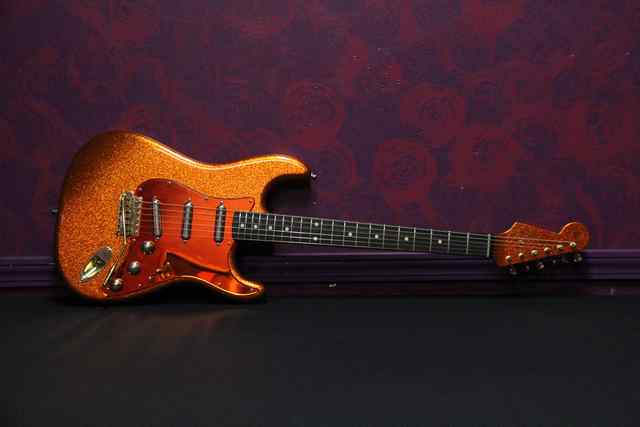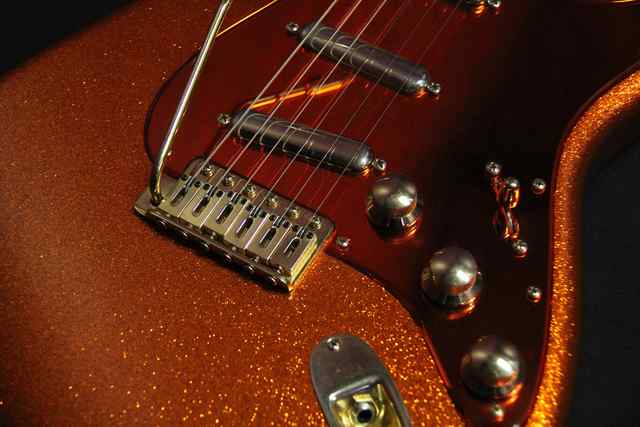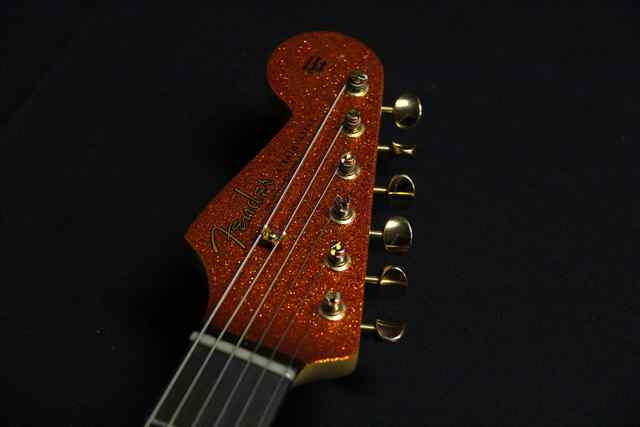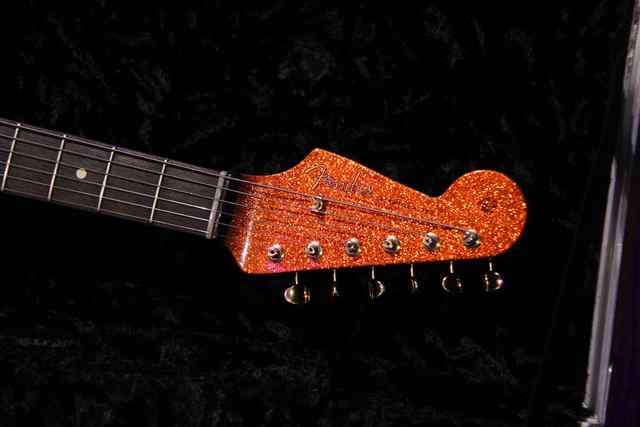


This guitar is "THE ONE". Every guitar player dreams of finding that one guitar that they pick up one day and it fits like a glove. This is that guitar for KWS. Kenny describes it as an extension of his own body. He loves all of his guitars, but they all take a back seat to this one.
One day when about 16 years old Kenny was in Los Angeles on a trip with his father. They decided to go by the Guitar Center in Hollywood and see what they had in stock. Kenny went into the vintage room at GC and began picking up Stratocasters. Eventually a mildly worn three-tone sunburst Stratocaster with jumbo frets and a rosewood slab neck caught Kenny's eye. He picked up the guitar and instantly knew this was the guitar he had always been looking for. There was something about this guitar that was different than any other he had ever played. It felt just right. It fit like a glove. Kenny knew this was that once in a lifetime chance to get the guitar he had always dreamed of. Unfortunately, he couldn't afford the guitar's steep price and reluctantly had to hang it back on the wall and walk away. From that day forward the memory of that guitar never left Kenny's mind. It was a little over a year later when Kenny had a showcase gig booked in Los Angeles. The first thing he wanted to do was go to the Guitar Center again to see what guitars were hanging on the wall. With little hope that the guitar would still be there, Kenny headed into the vintage room at the GC again. This time when Kenny walked into the room the first thing he saw was that same '61 Strat hanging right in the middle of the wall. Kenny couldn't believe it was still there. He immediately picked the guitar up and began playing it just to make sure it was as great as he remembered… and it was. When the time came to leave this time, Kenny refused to go without the guitar. He still didn't have enough money for the guitar, but he vowed not to leave without it. Finally, Kenny's Dad talked with his A&R guy Jeff Aldrich and his attorney at the time Jim Zumwalt and the three of them agreed to buy the guitar and split the cost three ways as long as Kenny paid them back. The deal was done, and history was made that day. KWS got his dream guitar and has played it relentlessly and lovingly from that day forward. He has recorded with that guitar on every album since and traveled all over the world playing to millions of people while wielding the '61 Strat.